Understanding the social dynamics behind gambling behaviors and their implications
The Psychological Appeal of Gambling
Gambling is not merely an activity involving games of chance; it is deeply rooted in psychological mechanisms that appeal to various human emotions and desires. The thrill of potential reward often triggers a rush of adrenaline, creating a euphoric experience for players. This emotional high can lead individuals to chase losses or seek the excitement that comes with risk-taking, thus reinforcing their gambling behaviors. For more insights into this thrilling world, visit https://thewyyungpub.com/.
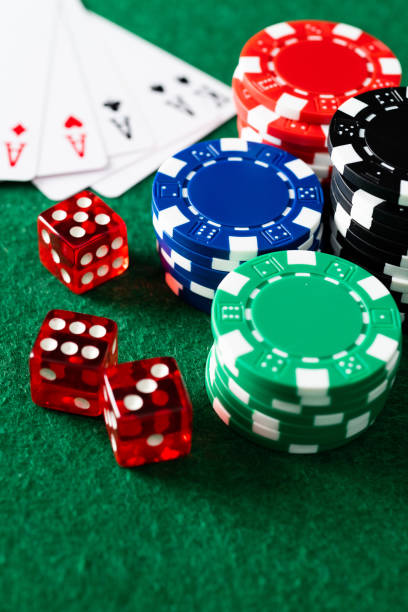
Additionally, the concept of variable rewards plays a crucial role in sustaining gambling habits. The uncertainty of winning, combined with occasional successes, can create a cycle of repeated engagement. This psychological manipulation can lead to compulsive behaviors, making it difficult for some individuals to distinguish between healthy entertainment and harmful addiction.
The Role of Social Influence
Social dynamics significantly influence gambling behaviors. People are often drawn to gambling through social circles, where peer influence can either encourage participation or dissuade it. Group activities, such as playing poker with friends or visiting casinos as a social outing, can normalize gambling within certain communities.
Furthermore, the presence of social reinforcement, such as shared experiences and collective celebrations of wins, can deepen one’s commitment to gambling. As individuals observe their peers participating, they may feel compelled to join in, often without fully understanding the potential risks involved.
Cultural Perspectives on Gambling
The cultural context in which individuals live plays a significant role in shaping attitudes toward gambling. In some cultures, gambling is viewed as a socially acceptable pastime, while in others, it may carry stigma or be associated with negative consequences. Understanding these cultural nuances is essential for addressing gambling behaviors effectively.
Cultures that celebrate risk-taking and competition may foster environments where gambling is widely accepted and even encouraged. Conversely, cultures that emphasize caution and responsibility may produce individuals who are more resistant to engaging in gambling activities. These varying cultural perceptions can significantly impact gambling behavior and the potential for addiction.
Luck vs. Skill: The Gambling Debate
The longstanding debate between luck and skill in gambling is critical to understanding the behaviors of gamblers. While games like poker involve a degree of skill and strategy, others, such as slot machines, rely purely on chance. This distinction can influence an individual’s approach to gambling, as those who perceive skill as a factor may engage differently than those who believe in pure luck.
This perception can lead to overconfidence, where individuals believe they can outsmart a game of chance. Such beliefs can increase gambling frequency and risk-taking behavior, as players chase a winning streak. Understanding these dynamics is vital for developing responsible gambling practices that encourage informed decision-making.
Your Trusted Resource for Gambling Insights
For those looking to delve deeper into the world of gambling, our website serves as a comprehensive resource. We provide valuable insights into various games, responsible gambling practices, and the latest trends in the gambling industry. Our goal is to promote informed participation in gambling activities while fostering a safe and enjoyable experience.
With expert reviews and guides, we aim to help users navigate their gambling choices effectively. Whether you are a seasoned player or a newcomer, our platform offers the information you need to make informed decisions and engage responsibly in the exciting world of gambling.